

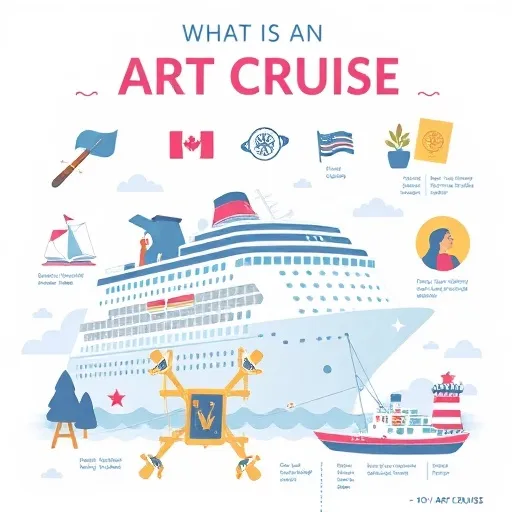
Creative art themed
The Short Definition: What Is an Art Cruise?
So, what is an art cruise? At its core, an art cruise is a themed voyage that blends traditional cruise travel with structured artistic programming. Rather than spending the whole trip lounging by the pool or binge-watching onboard entertainment, guests dedicate part of each day to painting, drawing, sculpting, photographing, writing, or diving into other creative disciplines — all under the guidance of professional instructors. That's the simplest answer to what is an art cruise, but there's a lot more beneath the surface.
Think of it as a floating art retreat at sea. You still get the ports of call, the gourmet dining, and those stunning ocean views — but you also get a dedicated studio space, scheduled creative workshops, group critiques, and a community of like-minded travelers who'd rather hold a paintbrush than a cocktail fork (though there's usually room for both). When people ask what is an art cruise, this dual experience — luxury travel plus hands-on creativity — is exactly what makes it so unique.
Some art cruises focus on a single medium, like watercolor painting or figure drawing. Others take a multidisciplinary approach, blending visual arts, photography, creative writing, and mixed media into a single itinerary. The unifying thread is simple: creativity is the main event, not an afterthought. Understanding what is an art cruise means recognizing that every detail — from the studio setup to the shore excursions — is designed around artistic expression.
Why the Art Cruise Boom Is Happening Right Now in 2026
The creative travel sector has been climbing steeply for years, and 2026 is shaping up to be a breakout year. Several forces are converging to make what is an art cruise a question more travelers are asking than ever before:
- Post-screen burnout: After years of hyper-digital living, travelers are actively seeking analog, hands-on experiences. Painting, sketching, and journaling offer a tactile counterbalance that no app can replicate.
- Multigenerational appeal: Art cruises attract everyone from retirees rediscovering a childhood passion to young professionals craving a "slow travel" alternative to packed itineraries.
- Solo-travel friendly design: Structured creative programming gives solo cruisers an instant community, removing the awkwardness of dining alone or navigating group activities.
- New itineraries: Major cruise operators and boutique lines alike have expanded their creative workshop offerings, with 2026 seeing record numbers of departures.
- Wellness crossover: Art-making is increasingly recognized as a mindfulness practice, which aligns perfectly with the broader wellness travel boom.
In short, what is an art cruise has evolved from a niche curiosity into a mainstream option — and the industry has responded with more variety than ever before.
What Actually Happens on a Typical Art Cruise Voyage?
While every voyage is different, most art cruises share a similar rhythm. Here's a look at what a day might look like when you're experiencing what is an art cruise firsthand:
Morning: Workshops and Instruction. Mornings usually begin with a structured session. You might find yourself in a dedicated studio onboard, learning techniques like color theory, perspective drawing, or plein air painting fundamentals. Instructors — often working artists, university professors, or experienced art educators — guide participants through demonstrations and hands-on exercises. Class sizes vary. Some boutique art cruises cap groups at 15 to 20 people for personalized attention, while larger ships may host 50 or more in a single session. If you're looking for deep mentorship, smaller is generally better.
Afternoon: Port Exploration and Sketching. When the ship docks, the art doesn't stop. Many programs organize sketch walks or photography excursions in port cities, encouraging participants to capture local architecture, markets, landscapes, and people. This is where the "travel" part of what is an art cruise truly shines — you're not just seeing a destination, you're interpreting it through your own creative lens. For those who prefer to stay onboard, open studio hours allow for independent work, with instructors circulating for one-on-one feedback.
Evening: Critiques, Lectures, and Community. Evenings often feature group critiques, artist talks, or themed lectures on topics like art history, portfolio development, or the business of selling creative work. These sessions build camaraderie and give participants a chance to reflect on what they've made. And yes — there's still time for dinner, entertainment, and stargazing on deck. The art programming is woven into the cruise experience, not a replacement for it.
Who Should Really Consider Booking an Art Cruise?
One of the biggest misconceptions about what is an art cruise is that you need to be "good" at art to enjoy one. In reality, most programs are designed for a wide range of skill levels:
- Absolute beginners: Many cruises offer introductory tracks that assume zero prior experience. Supplies are typically provided, and instructors are used to working with first-timers.
- Hobbyists and returning creatives: If you used to paint or draw but life got in the way, an art cruise is a low-pressure way to re-engage with your creative side.
- Serious artists: Advanced tracks, portfolio reviews, and mentorship opportunities cater to those pursuing professional development.
- Couples and friends: One partner can dive into creative workshops while the other enjoys traditional cruise amenities, then reunite for dinner and shore excursions.
- Solo travelers: The built-in community aspect makes art cruises especially appealing for those traveling alone.
If you've ever felt that a standard cruise lacked depth, or that a traditional art retreat felt too isolated, the art cruise format offers a compelling middle ground. That's the beauty of what is an art cruise — it meets you exactly where you are.
The Main Categories of Art Cruises You'll Find in 2026
Not all art cruises are created equal. Here's a quick breakdown of what is an art cruise across the main categories you'll encounter this year:
- Medium-Specific Cruises: These focus on a single discipline — watercolor cruises, sketching voyages, photography cruises, or writing retreats at sea. Ideal if you want to go deep into one skill.
- Multidisciplinary Creative Cruises: These blend several art forms. A single voyage might include morning painting, afternoon journaling, and evening mixed media collage sessions. Great for curious travelers who like variety.
- Luxury Boutique Art Cruises: Smaller ships, higher staff-to-guest ratios, and more exclusive itineraries. These attract collectors, established artists, and travelers who prioritize personalized instruction.
- Family-Friendly Art Cruises: Designed with kids and teens in mind, these programs often include youth art classes alongside adult workshops, making them a hit for multigenerational groups.
- Destination-Immersive Art Cruises: These prioritize cultural immersion — think sketching in Mediterranean hill towns, photographing Nordic fjords, or painting in Southeast Asian fishing villages.
Key Factors to Weigh When Booking Your First Art Cruise
With more options than ever, it pays to do a little homework. Here's a checklist of factors to consider before you commit to what is an art cruise for you:
- Instructor credentials: Look for working artists, educators, or specialists with verifiable teaching experience. A seasoned professional in the creative field can make or break the experience.
- Class size: Smaller groups mean more individualized attention. Ask about the maximum participant-to-instructor ratio.
- Supplies and materials: Are art supplies included, or do you need to bring your own? For photography cruises and writing retreats, what equipment is provided?
- Studio space: Dedicated, well-lit studio areas are a hallmark of a well-designed art cruise. Shared conference rooms repurposed as classrooms are less ideal.
- Itinerary balance: Make sure the port days and sea days align with your creative interests. Sea days typically offer more studio time; port days offer more inspiration.
- Skill-level focus: Confirm whether the program is beginner-friendly, intermediate, or advanced.
- Reviews and reputation: Look for feedback from past participants. A well-regarded operator in the travel space will usually have transparent reviews.
One more tip: book early. Art cruises tend to sell out faster than standard sailings because of limited studio capacity.
The Creative and Wellness Benefits That Make Art Cruises Stand Out
There's a reason what is an art cruise resonates so strongly in 2026. The benefits go way beyond simply learning a new skill:
- Deep focus without distraction: At sea, the usual distractions of daily life — emails, errands, social obligations — fade away. That creates rare conditions for flow states and sustained creative concentration.
- Mindfulness and stress reduction: Repetitive, tactile activities like sketching, painting, or hand-lettering have been linked to reduced stress and improved mood. Combined with ocean views and slower pacing, the effect is amplified.
- Community and connection: Creative groups bond quickly. Shared vulnerability — showing your work-in-progress to strangers — builds trust and friendship faster than typical social cruise activities.
- Travel that sticks: Instead of coming home with a souvenir magnet, you come home with a portfolio, a journal full of sketches, or a set of photographs that actually mean something.
Common Questions Travelers Ask About Art Cruises
Do I need to bring my own art supplies? It depends on the program. Many cruises include basic supplies — paper, brushes, paints, sketchbooks — while others ask participants to bring personal equipment, especially for photography cruises or specialized media. Always check the packing list before you sail.
Are art cruises expensive? Pricing varies widely. Mainstream art cruises can cost only slightly more than a standard cruise in the same cabin class, while luxury boutique options may command a significant premium. Factor in the value of instruction, materials, and exclusive programming.
Can I skip workshops if I just want to relax? Absolutely. Art cruises are designed to be flexible. You can participate as much or as little as you like. The programming is there to enrich your trip, not to be a mandatory schedule.
What if I've never made art before? You're in good company. A large share of art cruise passengers are first-timers or lapsed hobbyists. Instructors are typically skilled at meeting people where they are — which is exactly what makes what is an art cruise so welcoming.
Are art cruises good for solo travelers? Yes — arguably some of the best. The structured programming and collaborative atmosphere make it easy to connect with others without the pressure of traditional solo-travel socializing.
What's Next for the Art Cruise Industry?
Looking ahead, the art cruise sector is poised for continued innovation. We're already seeing digital-hybrid programs that combine traditional media with tablets and creative software, environmental themes centered on marine biology sketching and eco-photography, cultural exchange partnerships with local artisan communities, wellness-integrated itineraries blending art with yoga and meditation, and even expedition-style art voyages to remote regions. As the lines between travel, wellness, and creative practice continue to blur, what is an art cruise sits right at the intersection — and it's only getting more compelling.
So, what is an art cruise really? It's travel with intention, creativity with a view, and community built around a shared love of making. Whether you're a seasoned artist looking for a working retreat, a beginner curious about picking up a brush, or simply someone who wants a cruise that feels a little more meaningful, the art cruise format in 2026 offers more ways than ever to make it happen. Now that you know what is an art cruise, the only question left is: are you ready to come home inspired?